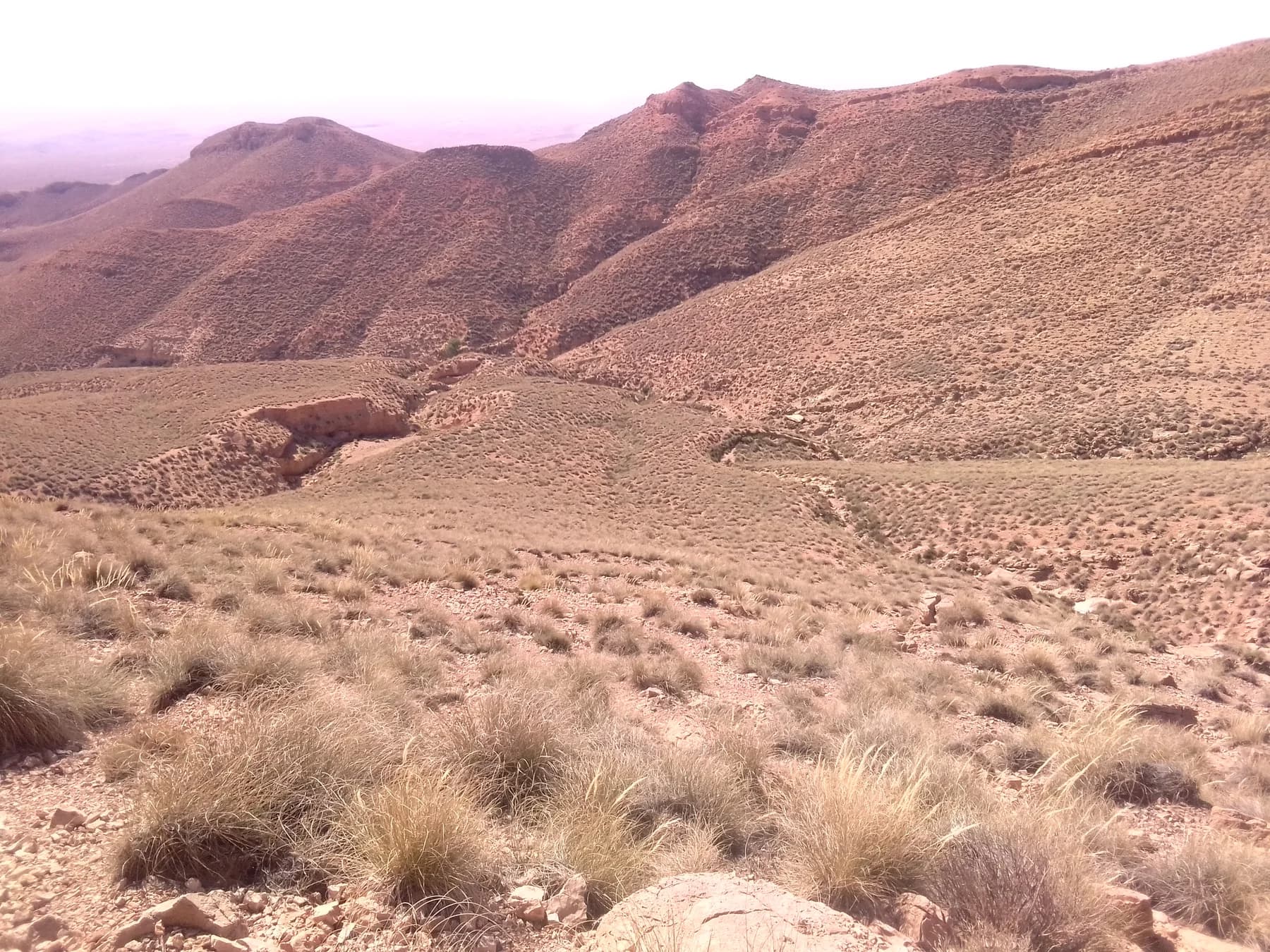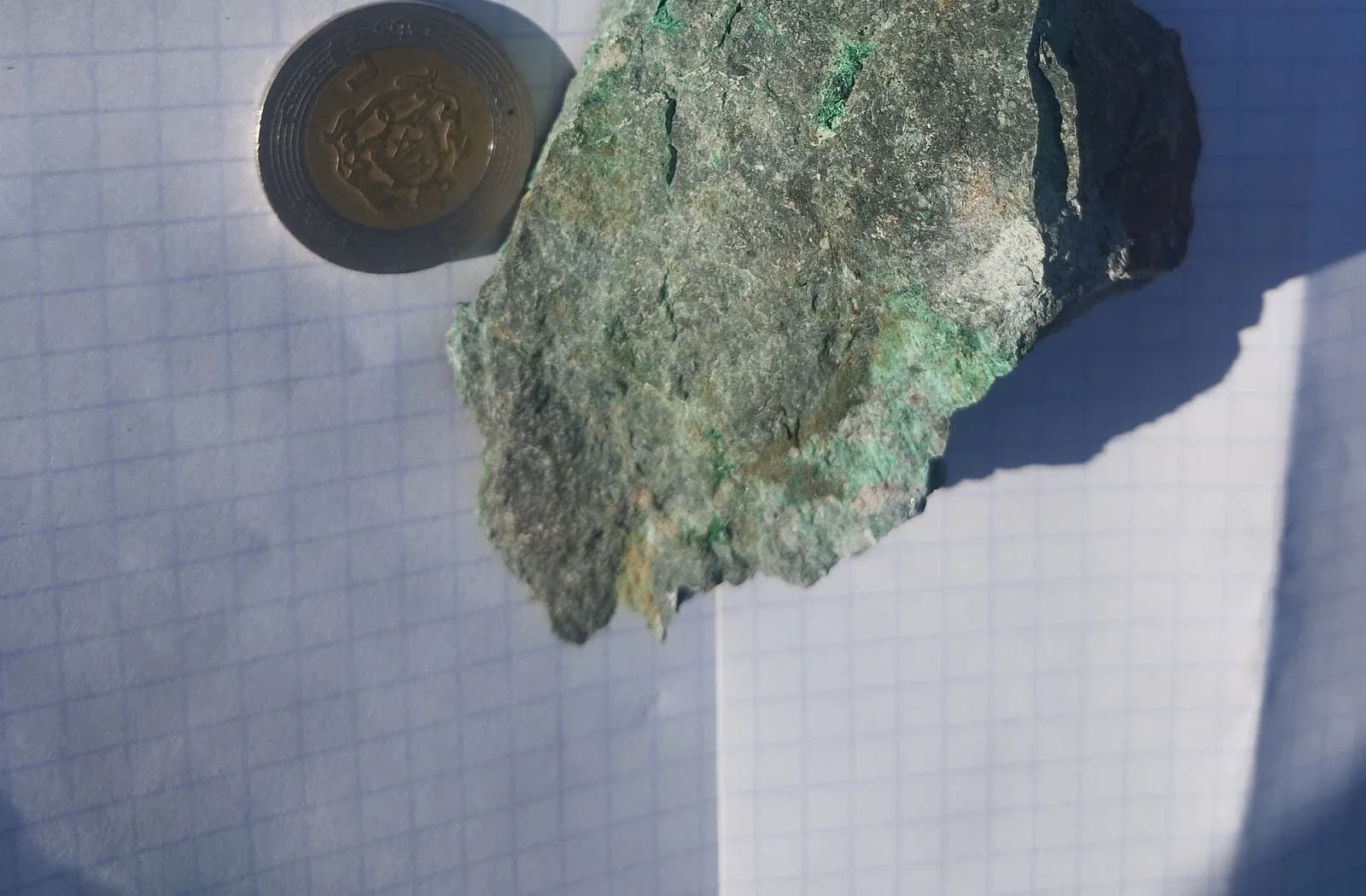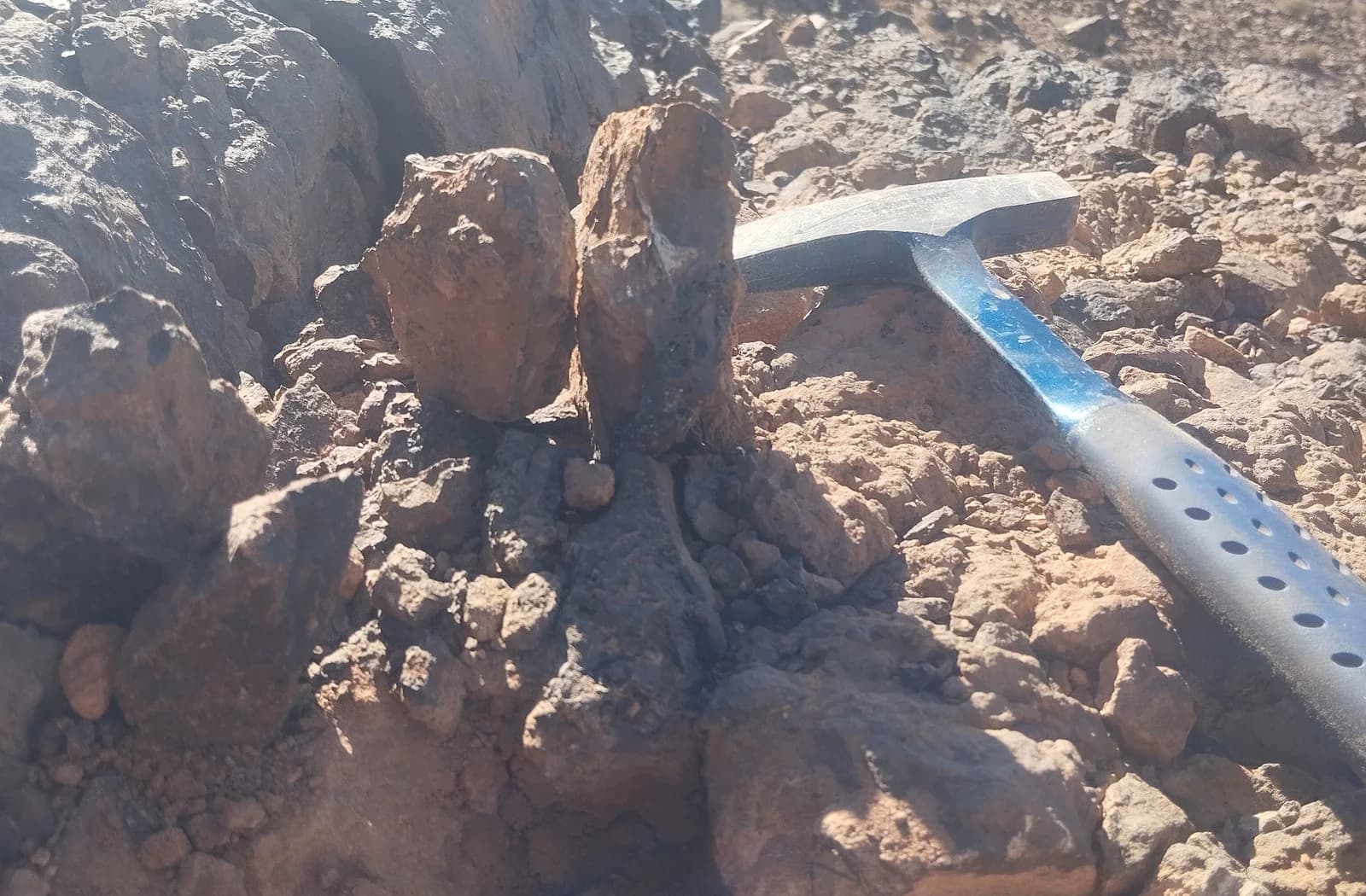
Groundwater is hidden from view, but it does not necessarily fill large underground caverns. It moves and is stored in the pores and fractures of geological materials. The geometry of these reservoirs, their connections and their capacity to renew vary from one basin to another.
UNESCO estimates that groundwater accounts for 99% of the planet’s liquid freshwater. That proportion highlights its global importance; it does not tell us how much water is available at a particular site. Access depends on geology, recharge, depth and water quality, among other factors.
An assessment uses repeated observations: well levels, flow, withdrawals and water-quality parameters, interpreted alongside geological and climate information. Measurements across seasons help distinguish a short-term fluctuation from a lasting trend. Such data inform discussion of water use and monitoring needs; they do not replace shared resource management.