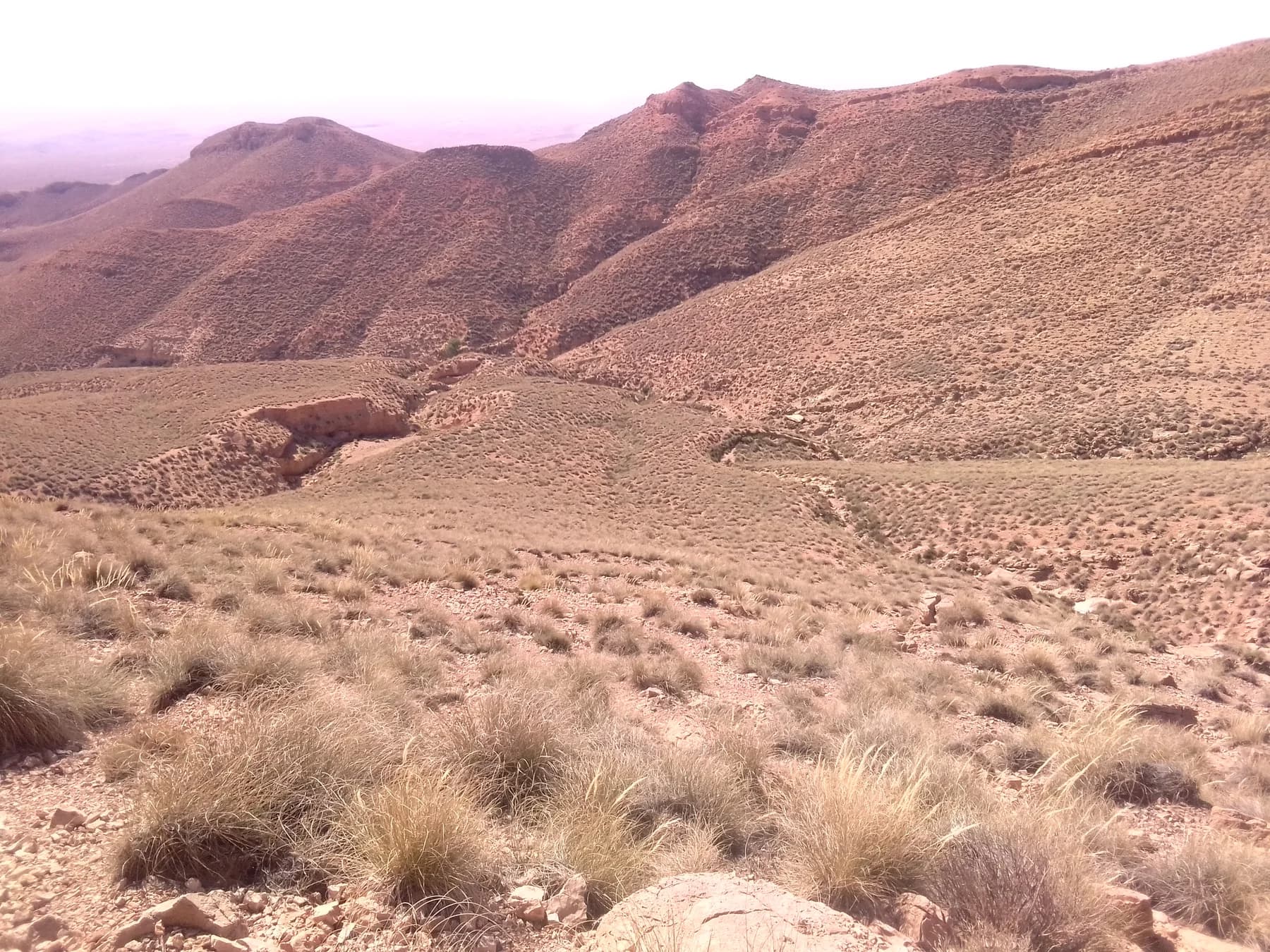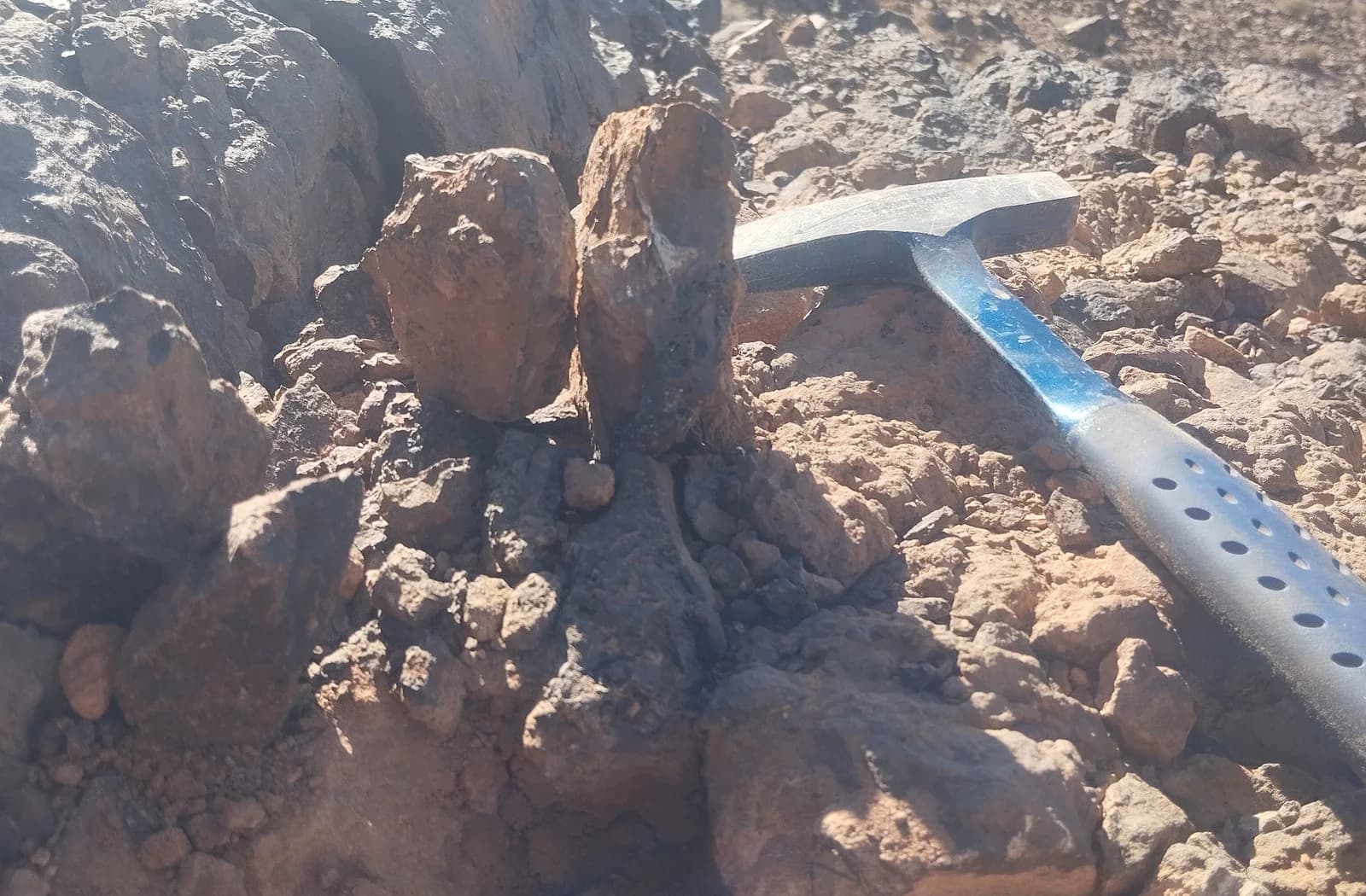
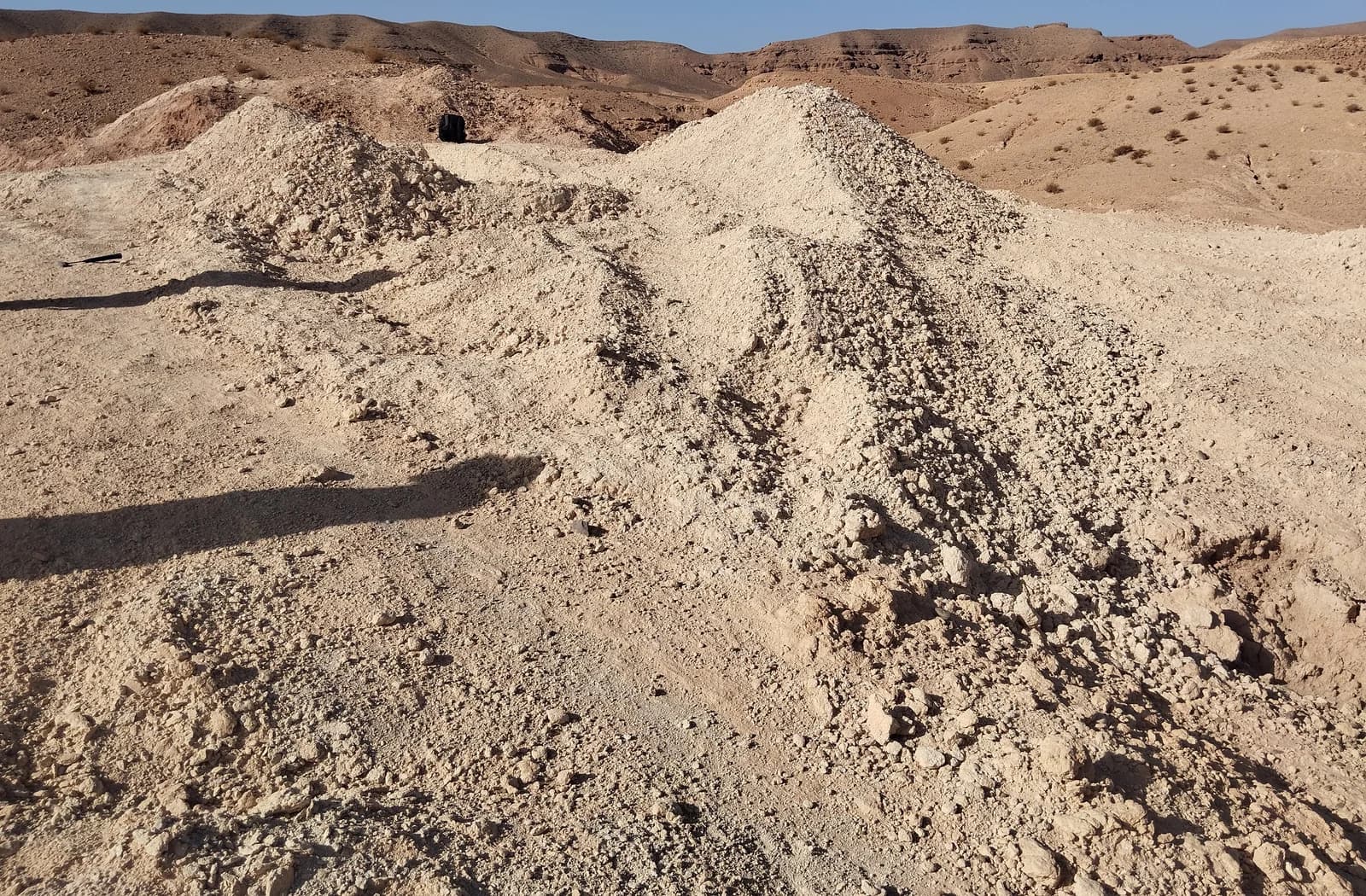
An environmental assessment starts by describing the project, its footprint and the activities that may interact with the surrounding area. Baseline work documents existing conditions before construction: water, soil, habitats, land use and relevant social concerns. The timing and scale of observations should fit the questions; a single visit may not capture seasonal change.
The analysis then connects activities to possible effects, considering their extent, duration and affected receptors. Mitigation follows a prevention logic: avoid an impact where possible, reduce it, then address residual effects under the applicable framework. Decisions should be explained and tied to clear responsibilities and observable indicators.
The work continues after the report is delivered. A monitoring plan compares results with baseline conditions, flags deviations and helps adjust measures. Engagement with affected communities and other stakeholders is part of ongoing management. For projects in Morocco, legal requirements and procedures must be checked against current rules and the relevant sector.